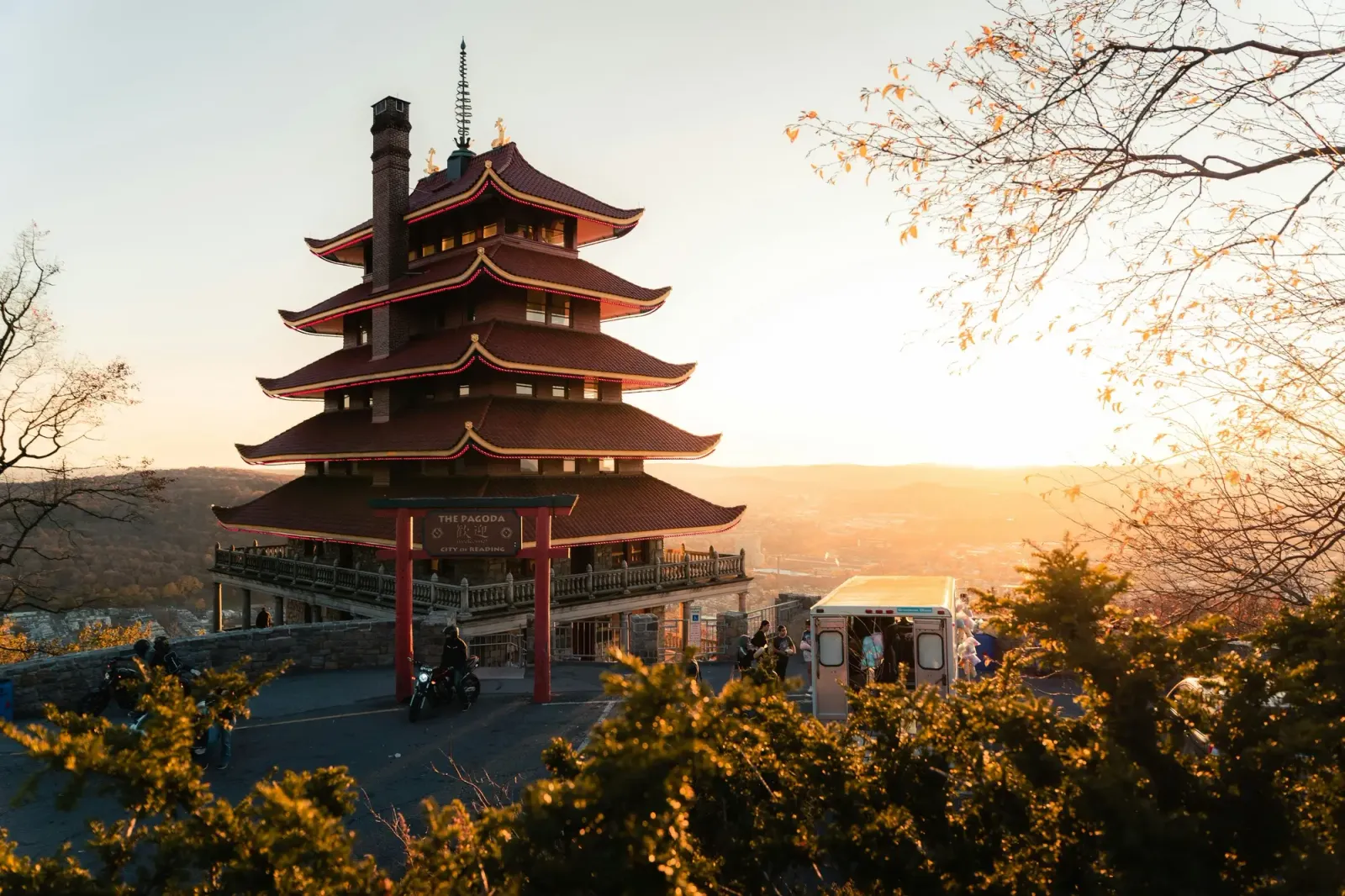
The temptation is to make a list and chase it: shrines, markets, cafes, museums, neighborhoods, restaurants, train stations, viewpoints. There is always more to see, and Japan makes even the smallest details feel worth stopping for.
But the best short trips often come from choosing less.
Start with one neighborhood and let the day open from there. A shrine in the morning. A small lunch spot nearby. A walk through side streets instead of another transfer across town. Tea, a gallery, a station platform, the glow of signs after dark.
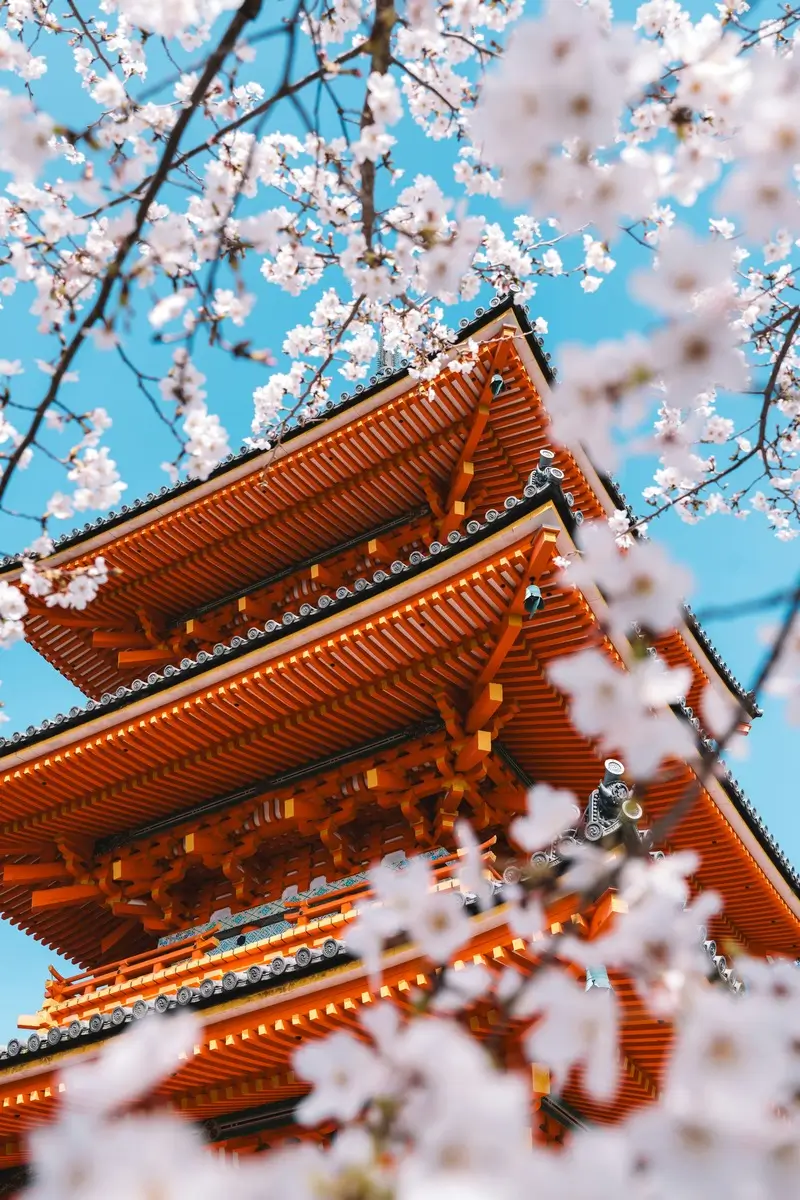
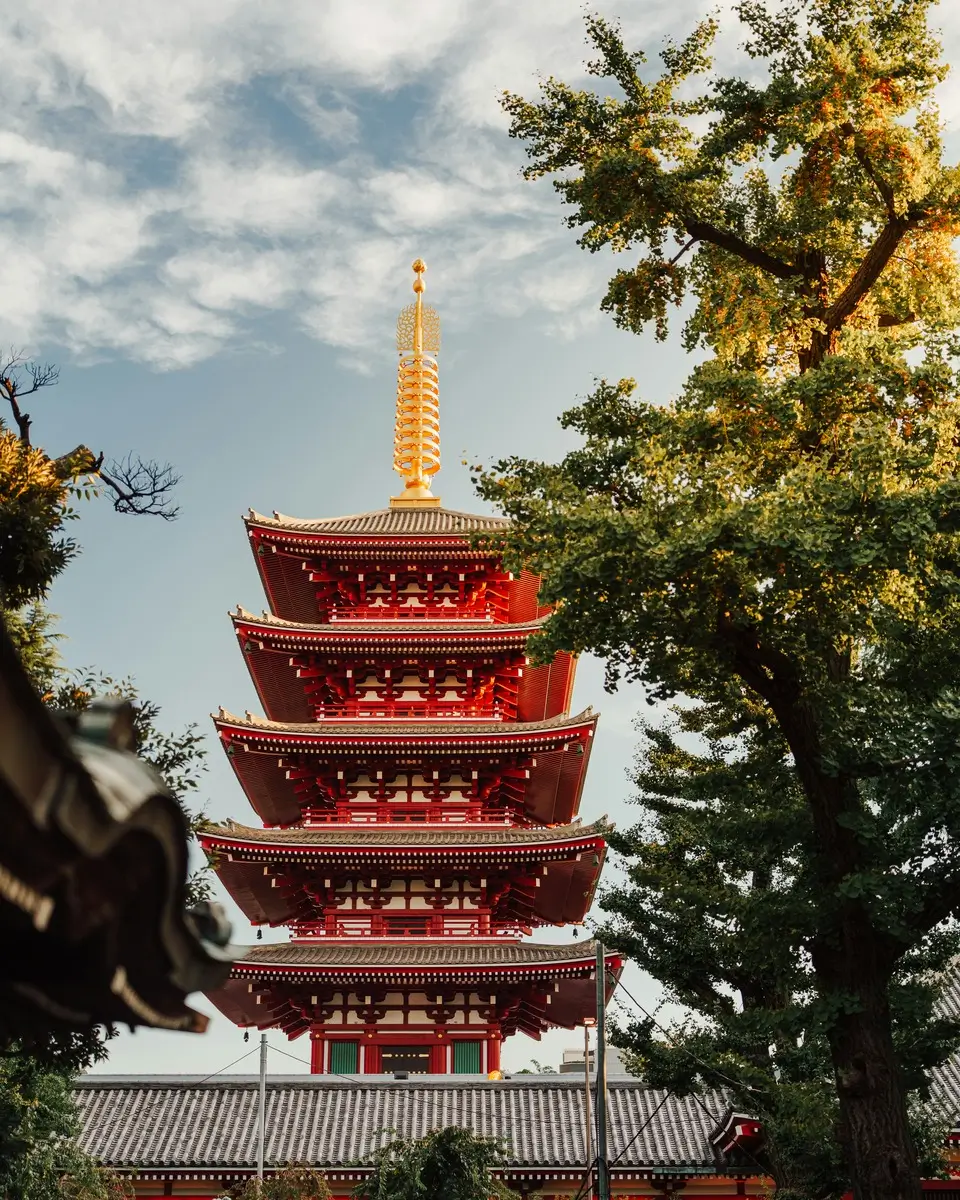
Minimalist travel is not about doing nothing. It is about leaving enough room for the place to happen around you.
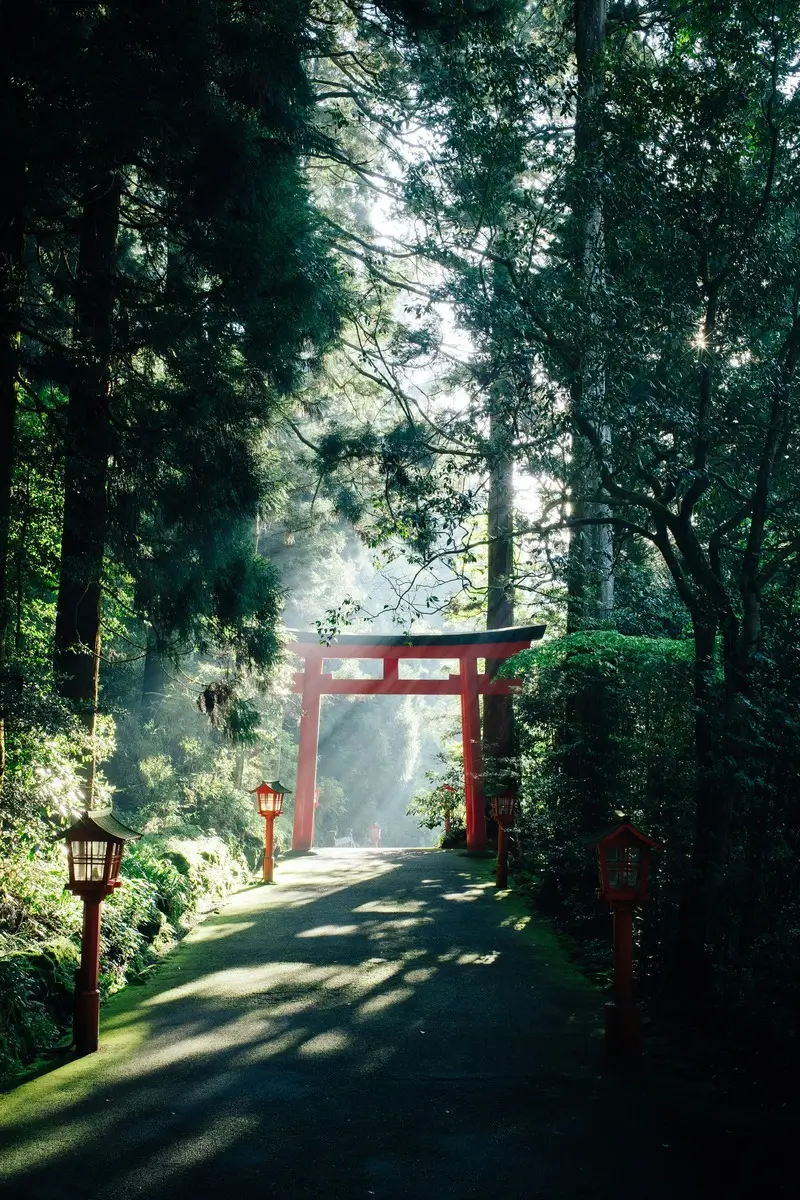
In Japan, that room matters. A shrine visit becomes more than a stop on the route when you are not already thinking about the next three places. You notice the gate, the texture of the wood, the sound of footsteps, the way people move between ritual and daily life.
A good weekend might include only a handful of plans: one cultural place, one long walk, one excellent meal, one view worth staying for. The rest can be discovered slowly: a bakery near the station, a quiet side street, a vending machine coffee, a shop window arranged with surprising care.
The best short trips are not smaller versions of long ones. They are their own kind of travel.
By the end, you may have seen less than you could have. That is the point.
A minimalist weekend leaves you with fewer crossed-off items, but stronger memories: the color of a shrine gate, the warmth of a bowl of noodles, the rhythm of trains, the feeling of having actually been somewhere instead of rushing through it.
Member discussion